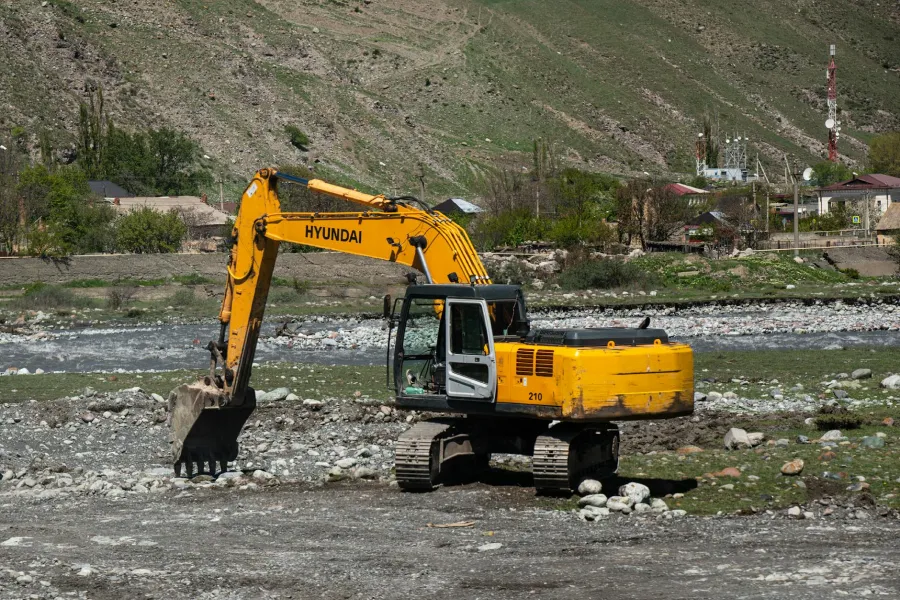
Understanding Grandview’s Unique Terrain Challenge
Grandview’s distinctive geography presents both opportunities and obstacles for property owners planning development projects. The community sits within a region characterized by rolling hills, variable elevations, and soil compositions that shift dramatically within short distances. These natural features shape how water moves across the land, where structures can be safely positioned, and what preparation work becomes necessary before breaking ground.
The underlying geology consists primarily of clay-based soils interspersed with limestone formations. During wet seasons, which Tennessee experiences frequently, clay soil becomes saturated and loses its load-bearing capacity. This same soil, when dry, hardens considerably but develops cracks that channel water unpredictably. Property owners who understand these seasonal variations can plan earthwork activities during optimal windows, avoiding delays and additional costs associated with working in unfavorable conditions.
Slope variations throughout Grandview require careful assessment before any development begins. Properties situated on hillsides offer attractive views but demand precise grading calculations to prevent erosion and ensure proper drainage patterns. Water naturally seeks the lowest point, and without proper site preparation, it will find paths that may undermine structures, wash away landscaping, or create standing pools that breed mosquitoes and degrade property aesthetics.
Vegetation patterns also reflect the terrain’s characteristics. Dense hardwood forests cover many undeveloped parcels, with root systems extending well beyond the visible tree canopy. These roots stabilize slopes naturally but must be properly addressed during clearing operations to prevent future settling or void spaces beneath foundations. Understanding which trees and vegetation to remove and which to preserve requires knowledge of both the immediate construction needs and long-term property stability.
Site Preparation Fundamentals for Successful Projects
Proper site preparation forms the foundation for every successful building project. The process begins long before construction equipment arrives, starting with a thorough assessment of existing conditions. Property owners who invest time in understanding their site’s specific characteristics avoid costly surprises and delays once work commences.
The first consideration involves access. Many Grandview properties sit off main roads, connected by gravel drives or paths that must accommodate heavy machinery. Contractors need clear routes to bring in excavators, dump trucks, and grading equipment. Properties with limited access may require preliminary work to establish temporary roads or reinforced paths capable of supporting loaded vehicles without creating deep ruts or damaging existing infrastructure.
Soil testing provides essential information about load-bearing capacity, drainage characteristics, and potential challenges lurking beneath the surface. A site that appears level and clear may hide problematic soil layers, high water tables, or rock formations that significantly impact construction methods and costs. Professional soil analysis identifies these factors early, allowing project plans to address them proactively rather than reactively.
Utility planning represents another critical preparation element. Properties in rural areas like Grandview often require well drilling, septic system installation, and potentially propane tank placement. Each utility has specific location requirements based on setbacks, slopes, and access needs. Coordinating these elements during the initial site preparation phase prevents conflicts that force expensive modifications later.
Staking and surveying ensure that all work occurs within property boundaries and complies with setback requirements. Even properties with existing boundary markers benefit from professional surveying before major earthwork begins. Accurate measurements prevent encroachment issues and ensure that buildings, driveways, and other improvements are positioned exactly where intended, maintaining proper distances from property lines, easements, and protected areas.
Addressing Water Management on Sloped Properties
Water management stands as perhaps the most critical aspect of property development in areas with varied topography. Gravity ensures that water will move downhill, and the question becomes whether it moves in controlled, beneficial ways or creates problems through erosion, flooding, and structural threats.
Proper grading establishes the foundation for effective water management. Building pads must slope away from structures in all directions, typically at a minimum grade of two percent. This subtle slope, barely perceptible to the eye, creates sufficient pitch to move water away from foundations without creating erosion concerns. Areas around Grandview that experience Tennessee’s characteristic heavy downpours require particularly thoughtful grading to handle high-volume water events without overwhelming drainage systems.
Swales and berms work together to channel water along predetermined paths. A swale is a shallow depression that guides water flow, while a berm is a raised area that directs water away from sensitive areas. Strategic placement of these features captures runoff from roofs, driveways, and compacted areas, guiding it toward appropriate discharge points rather than allowing uncontrolled flow that erodes soil and damages landscaping.
Culverts become necessary when driveways or roads cross natural drainage paths. Undersized culverts create bottlenecks during heavy rain, causing water to overflow and erode the road surface. Properly sized culverts, installed at appropriate grades, maintain natural water flow patterns while supporting vehicle traffic above. In areas with seasonal streams or significant runoff, multiple culverts or larger-diameter pipes may be required to handle peak flow volumes.
Retaining walls sometimes become necessary to create level building areas on sloped sites. These structures hold back soil, creating terraced spaces that provide functional areas while managing the forces of gravity and water pressure. Properly designed retaining walls include drainage systems behind them to prevent hydrostatic pressure buildup that could cause failure. The walls must also be constructed on stable foundations that extend below the frost line to pProperties in Grandview typically rely on septic systems rather than municipal sewer connections. Understanding septic requirements during the initial planning stages prevents complications that could derail entire projects or force expensive redesigns.
Soil suitability determines whether a conventional septic system will function properly. Health department regulations require percolation tests that measure how quickly water drains through the soil. Clay-heavy soils common in the area often drain slowly, potentially requiring alternative septic designs such as mound systems or aerobic treatment units. These alternative systems cost more than conventional designs but may be the only viable option on properties with poor drainage characteristics.
Drain field location requires careful consideration of multiple factors. The absorption field must be positioned downhill from the septic tank but away from water sources, property boundaries, and structures. It needs sufficient area based on the home’s bedroom count, which determines the system’s required capacity. Properties with limited suitable area may need creative design solutions or may discover that their building plans must be scaled back to match available septic capacity.
Slope affects septic system design significantly. Drain fields perform best on gentle slopes between two and six percent. Steeper slopes risk effluent breaking out on the surface downhill, while flat areas may not provide sufficient drainage. Professional site evaluation identifies the optimal drain field location that balances slope requirements with setback distances and soil conditions.
Reserve drain field areas must be identified and protected during initial development. Regulations typically require designating a backup location equal in size to the primary drain field. This area must remain undisturbed, free from structures, driveways, and even certain types of deep-rooted landscaping. Property owners who fail to preserve adequate reserve area may find themselves unable to repair or replace a failed system without extensive property modifications.
Timing septic installation within the broader construction timeline requires coordination with excavation work. The system should be installed after heavy construction traffic ends to avoid soil compaction over drain fields, but early enough that the home can receive its occupancy permit promptly upon completion.an be safely positioned, and what preparation work becomes necessary before breaking ground.
Partnering with Experienced Earthwork Professionals
Grandview’s distinctive geography presents both opportunities and obstacles for property owners planning development projects. The community sits within a region characterized by rolling hills, variable elevations, and soil compositions that shift dramatically within short distances. These natural features shape how water moves across the land, where structures can be safely positioned, and what preparation work becomes necessary before breaking ground.
The difference between mediocre and exceptional earthwork often comes down to the contractor’s experience with local conditions. Professionals who regularly work in an area understand its specific challenges, have established relationships with local inspectors, and know which solutions work reliably in the regional context.
S&W Dirt Works LLC brings years of hands-on experience to projects throughout the Grandview area. Their familiarity with local soil conditions, drainage patterns, and regulatory requirements translates into efficient project execution that avoids common pitfalls. When unexpected conditions arise, their team draws on extensive experience to implement effective solutions without lengthy delays or budget overruns.
The company’s equipment inventory includes modern machinery suited to the diverse terrain found around Grandview. From clearing wooded parcels to precision grading for foundations, they maintain well-serviced equipment capable of handling projects ranging from small residential sites to larger commercial developments. This equipment diversity means they can match the right tools to each project’s specific requirements rather than forcing one-size-fits-all approaches.
Property owners benefit from S&W Dirt Works LLC’s collaborative approach to project planning. Rather than simply executing predetermined plans, they provide input during the design phase, identifying potential issues and suggesting modifications that improve outcomes while potentially reducing costs. This proactive consultation helps clients avoid expensive change orders and ensures that the final result aligns with both practical needs and regulatory requirements.
Quality earthwork requires attention to details that may not be immediately visible but prove critical over time. Proper compaction of fill material, precise slope calculations, and thoughtful drainage solutions all contribute to long-term property performance. S&W Dirt Works LLC’s commitment to doing work correctly the first time protects clients’ investments and provides the stable foundation every successful project requires.
For property owners planning development in Grandview, partnering with a trusted local earthwork contractor streamlines the entire process. From initial site assessment through final grading, professional guidance and skilled execution transform raw land into building-ready sites that support your vision while respecting the area’s unique characteristics.